Disclosure: Some of the links in this post may contain affiliate links, so if you click on the link and purchase the item, I will receive a commission.
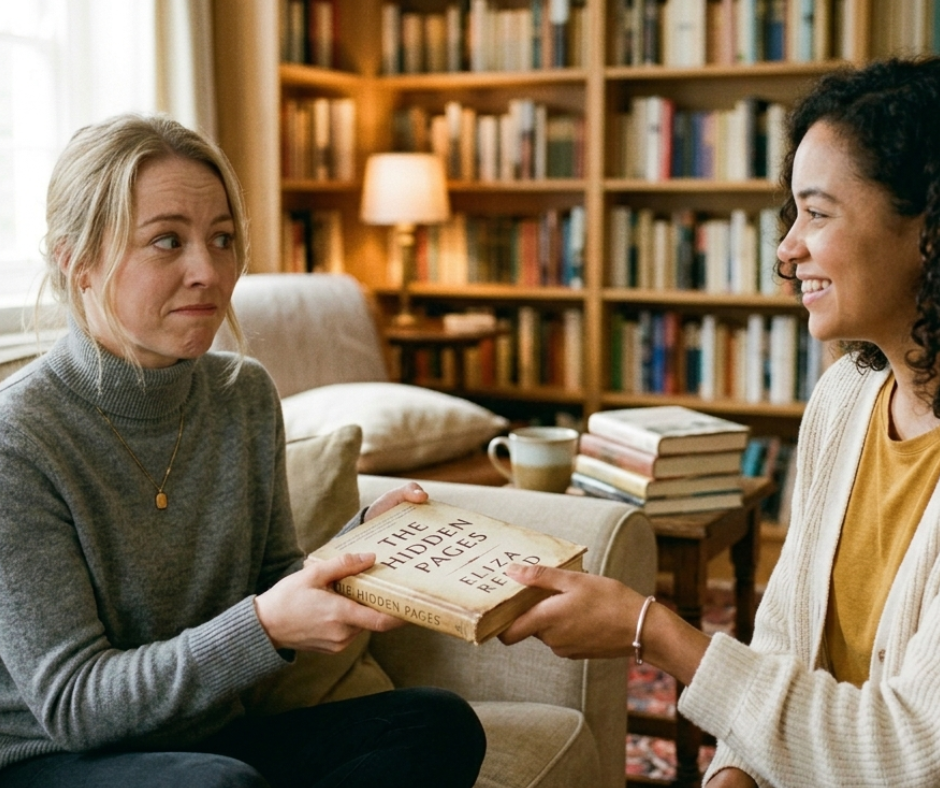
There are two kinds of readers: the ones who happily lend books… and the ones still grieving the books they never got back.
My cousin falls into the first camp. She is not sentimental about books and will gladly pass them along after she finishes reading them.
I lean more toward not lending out books because:
- I like to keep books in my personal library.
- I’ve been burnt in the past.
If you’re a reader, you probably already understand the anxiety that can come with lending books to friends or family members.
Why Readers Hesitate to Lend Out Books
Some common concerns about lending books include:
- Dog-eared returns
- Bent covers
- Never seeing the book again
- Someone saying, “I’ll give it back soon!” when their definition of soon is very different than yours
- And, according to someone on my Facebook page, getting a book back with annotations inside it!
For many readers, books are more than objects. They carry memories, nostalgia, and sentimental value.
Why Books Feel So Personal
Many readers become attached to their books for several reasons:
- Books hold memories
- Certain editions are difficult to replace
- Some books traveled through different life stages with you
- Used/thrifted finds can feel irreplaceable
- Signed copies or out-of-print books may have sentimental or financial value
The Different Types of Book Lenders
When it comes to lending, readers usually fall into one of these categories:
- The “Absolutely Not” Reader: No way. No how. No books leave my possession.
- The “Take Any Book You Want” Reader: Books are meant to be shared! My books are your books!
- The “Spreadsheet Tracker” Reader: They know exactly who borrowed what – and when.
- The “Only If I Trust You” Reader: You must prove yourself trustworthy before borrowing a book.
- The “I Forgot Who Has My Book” Reader: Accidentally re-buys books because they forgot they lent them out.
The Unwritten Rules of Borrowing Books
If you do lend out books, it helps to have some expectations in place beforehand.
Possible book borrowing rules might include:
- Return the book in the same condition
- Don’t fold pages
- Don’t eat while reading it
- Don’t lend it to someone else
- Don’t keep it for six months without communicating
Honestly, I think the hardest part for me is simply not knowing if or when the book will come back.
I’m also pretty non confrontational, so even if I had these rules, I would struggle to say them out loud. I could, however, see myself slipping a sticky note inside the book with a few gentle reminders.
My Personal Experiences Lending Books
As I mentioned earlier, my default position is usually not lending books because of a few experiences I’ve had over the years.
The Book in College That Never Came Back
During my senior year of college, I lent a book to a friend. As graduation got closer, I reached out about getting it back. She promised she would return it before I moved home.
She didn’t.
I never saw that book again.
The Book That Was Lent to Someone Else
More recently, I lent a book to the crossing guard at my son’s school.
I try not to nag people about returning books, but I also like knowing where my books are. When I followed up a second time – probably three or four months later – he told me he had lent my book to a friend at his church and was trying to get it back from her.
At that point, I assumed the book was a goner.
A few weeks later, he asked for my address. Shortly after, a brand-new hardcover copy arrived at my house.
It was actually a beautiful edition of the book… but honestly? I still preferred my original mass-market paperback.
The Empty Spot on the Shelf Problem
Maybe it’s just me, but I also hate seeing a gap on my bookshelf where the missing book belongs.
Every time I notice the empty space, it reminds me that my book is gone – and may never come back.
My husband had an unfortunate lending experience too. He lent a signed copy of a book to a coworker, and it was never returned. The author has since passed away, making the book truly irreplaceable.
Why I Rarely Borrow Books Either
I’m also hesitant to borrow books from other people because I would feel terrible returning a book in worse condition than I received it.
There’s pressure in borrowing a pristine book and trying to keep it pristine.
Tips for Lending Out Books
If you do lend out books, here are a few ways to keep track of them:
- Write your name inside the book or use a personalized book embosser, like this one.
- Keep a note on your phone listing who borrowed each book.
- Set a rough return date ahead of time.
- Only lend books you’d be OK never seeing again.
That last one may sound dramatic… but experienced readers understand.
Final Thoughts
Books mean different things to different people.
Some readers freely lend out books without a second thought, while others guard their shelves like a personal library archive.
And honestly? Both approaches make sense.
What about you? Do you lend books to friends and family, or have you learned the hard way not to?
🌟 Come hang out with me for daily bookish chats on Facebook or Instagram!

Leave a Reply